
What Are Natural Ways to Calm Anxiety?
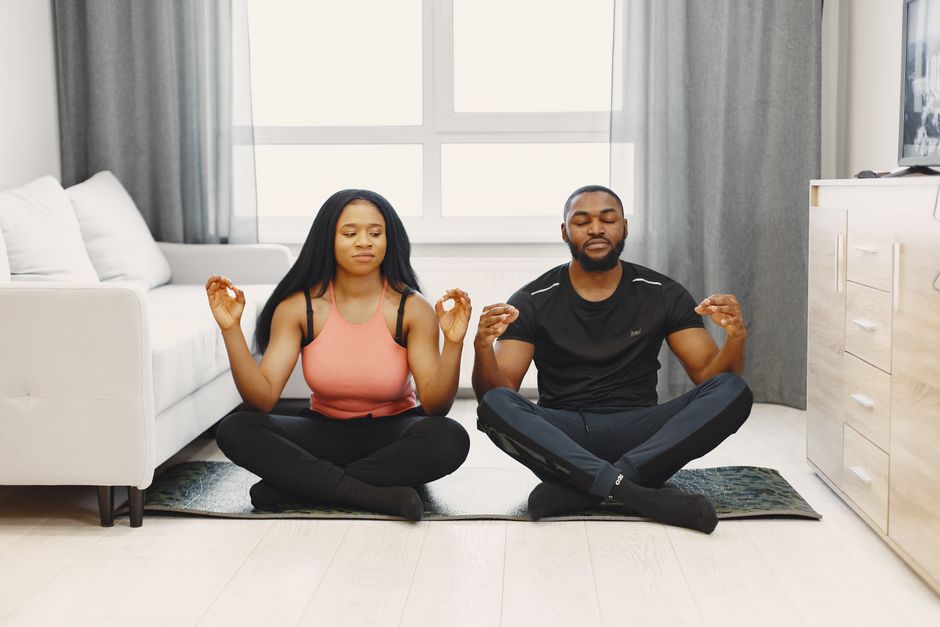
Natural ways to calm anxiety include a brief body-based reset, such as progressive muscle relaxation, and steady habits around sleep, caffeine, movement, mindfulness, hydration, and regular meals. Evidence is not equally strong for every technique: a 2024 review found promising results for body-based and combined approaches, but breathing-only findings were inconsistent. Persistent or disruptive anxiety deserves professional assessment.
How can I reduce my anxiety naturally at home?
You can reduce anxiety at home by pairing a practical body-based technique with habits that support sleep and daily steadiness. Start with a small set of repeatable actions rather than trying every remedy at once.
- Release physical tension. Progressive muscle relaxation involves deliberately tensing and then releasing muscle groups. In a 2024 systematic review of brief interventions, embodiment approaches reduced state anxiety compared with controls, and progressive muscle relaxation showed a large effect in two studies; results varied across studies.
- Make room for movement. The National Institute of Mental Health (NIMH) lists exercise among habits that may help with anxiety symptoms. Choose an accessible activity and a time you can repeat; the point is consistency, not a demanding target.
- Use mindfulness as a skill, not a cure. Mindfulness or meditation may help manage symptoms, according to NIMH and the National Center for Complementary and Integrative Health (NCCIH). NCCIH says the evidence is still developing, so treat these practices as possible supports rather than proven substitutes for care.
- Check basic needs. Notice whether anxiety coincides with poor sleep, caffeine, low fluid intake, little movement, or irregular meals. Record the pattern before deciding that one factor is the cause.
The evidence has an important wrinkle: breathing alone did not significantly reduce anxiety overall in the 2024 review, and results varied substantially by technique. The authors note that the specific method and how well it suits the individual matter. If focusing on the breath feels uncomfortable or seems to increase distress, switch to a grounding or muscle-release exercise.
For a focused response to a sudden spike, see what can help calm an anxiety attack. The same principle applies at home: use a simple action you can follow, then reassess rather than stacking several techniques at once.
What can I do right now when anxiety starts rising?
When anxiety starts rising, pause and try one brief body-based reset, then check what your body needs. A compact sequence can reduce decision load when concentration is already difficult.
- Orient. Put both feet on a stable surface and name a few things you can see and hear. This gives attention a concrete task.
- Release. Choose one muscle group, gently tense it, then let it soften. Continue through a few areas if the exercise feels comfortable.
- Choose a breathing pace only if it helps. Keep the breath easy rather than forcing deep or rapid breaths. Breathing-only techniques have inconsistent evidence, so a comfortable breath is an option, not a requirement.
- Check the trigger list. Ask: Have I had caffeine? Did I sleep poorly? Have I had water and a meal? Have I been still for a long time? These are prompts for observation, not a diagnosis.
The 2024 review found a significant reduction in state anxiety for combined approaches, while the number of eligible studies was limited. That supports testing a brief combination—such as muscle release plus gentle attention to breathing—without treating it as a guaranteed fix. If one method increases discomfort, stop and use a different grounding action.
Which natural approaches help over time, not just in the moment?
Over time, the most useful natural approach is a repeatable routine that tracks what helps while leaving room for professional care. A two-week observation plan can make vague advice more actionable without claiming that two weeks treats anxiety.
| Period | Practice | What to note |
|---|---|---|
| Days 1–3 | Keep a short daily record of anxiety, sleep, caffeine, meals, hydration, and movement. | Look for timing or recurring patterns, not proof of cause. |
| Days 4–7 | Add one brief body-based reset, such as progressive muscle relaxation. | Note whether it feels manageable and whether tension changes. |
| Days 8–10 | Keep the reset and add a modest, repeatable movement or mindfulness practice. | Record what is easy to repeat and what gets in the way. |
| Days 11–14 | Review the notes and keep the most workable habits. | If anxiety remains disruptive or worsens, share the pattern with a clinician. |
This plan is a way to observe and organize, not a treatment protocol. NIMH says reducing caffeine and getting enough sleep may reduce symptoms when paired with standard care, and also identifies exercise, mindfulness, and meditation as possible supports. It emphasizes that healthy habits alone cannot replace treatment.
Professional care can bring structure when self-help is not enough. NIMH describes cognitive behavioral therapy as a well-studied treatment for generalized anxiety disorder; a health care provider can discuss psychotherapy, medication, or both based on the person’s circumstances. For an overview of care conversations, read what a doctor may prescribe for anxiety.
Can caffeine, alcohol, poor sleep, or skipped meals make anxiety worse?
These factors can be worth checking because caffeine reduction and adequate sleep are habits NIMH identifies as potentially helpful alongside standard care. The supplied sources do not establish that alcohol, dehydration, or skipped meals cause anxiety for every person, so treat them as personal pattern checks rather than universal explanations.
Use a simple trigger check: note caffeine intake, sleep quality, hydration, movement, and whether meals were regular on days when symptoms rise. Change one manageable factor at a time and observe whether the pattern shifts. This keeps the experiment readable and avoids crediting a single change for every improvement or setback.
Alcohol deserves particular caution around supplements: NCCIH advises against combining kava with alcohol or sedatives because of safety concerns, including the association between kava supplements and severe liver injury. If anxiety is interfering with daily life, lifestyle tracking should support—not postpone—a conversation with a clinician.
Frequently Asked Questions
What supplements or herbs may help anxiety, and what are the risks?
Evidence for chamomile is preliminary and inconclusive, valerian evidence is insufficient, and kava has been linked to severe liver injury. Supplements can also cause side effects or interact with medicines, so discuss a product with a health care provider before using it.
Can a vitamin deficiency cause anxiety, and should I ask for testing?
Some deficiencies can have varied symptoms, but anxiety alone cannot identify a vitamin B12 deficiency. NICE’s 2024 evidence review says symptoms by themselves cannot confirm B12 deficiency; a clinician can assess symptoms and risk factors and decide whether testing is appropriate.
When should I talk to a doctor or therapist instead of relying on home remedies?
Talk with a health care professional if anxiety is persistent, worsening, or disrupting sleep, concentration, work, relationships, or other daily activities. Home habits can support care, but NIMH says they cannot replace treatment; a provider can discuss options such as psychotherapy, medication, or both.
Sources
- Frontiers in Psychology: A systematic review of brief respiratory, embodiment, cognitive, and mindfulness interventions to reduce state anxiety
- National Institute of Mental Health: Generalized Anxiety Disorder: What You Need to Know
- National Center for Complementary and Integrative Health: Anxiety and Complementary Health Approaches
- NICE Guideline evidence review: Evidence reviews for risk factors and symptoms and signs for vitamin B12 deficiency
Disclaimer: This article is for general information only and is not medical advice. It is not a substitute for diagnosis or treatment by a qualified healthcare professional. Always speak to your doctor before acting on anything you read here.
You may also like
What Are the Best Ways to Calm an Anxiety Attack?
Choose a manageable way to calm an anxiety attack, and seek urgent help for severe or persistent chest pain.
What Are the Best Things to Calm Anxiety?
Choose things to calm anxiety by matching a simple grounding, movement, or breathing technique to what feels most distressing.
Can Anxiety Make It Feel Like I Can't Get a Full Breath?
Anxiety can make breathing feel incomplete, but breathlessness has other causes. Learn how the cycle works and when symptoms need medical assessment.
Can Couples Therapy Help With Sexual Disconnection and Anxiety Around Intimacy?
A practical guide to couples therapy, sex therapy, desire differences, and anxiety around intimacy without blame or false promises.