
When Is Shortness of Breath Anxiety and When Is It an Emergency?
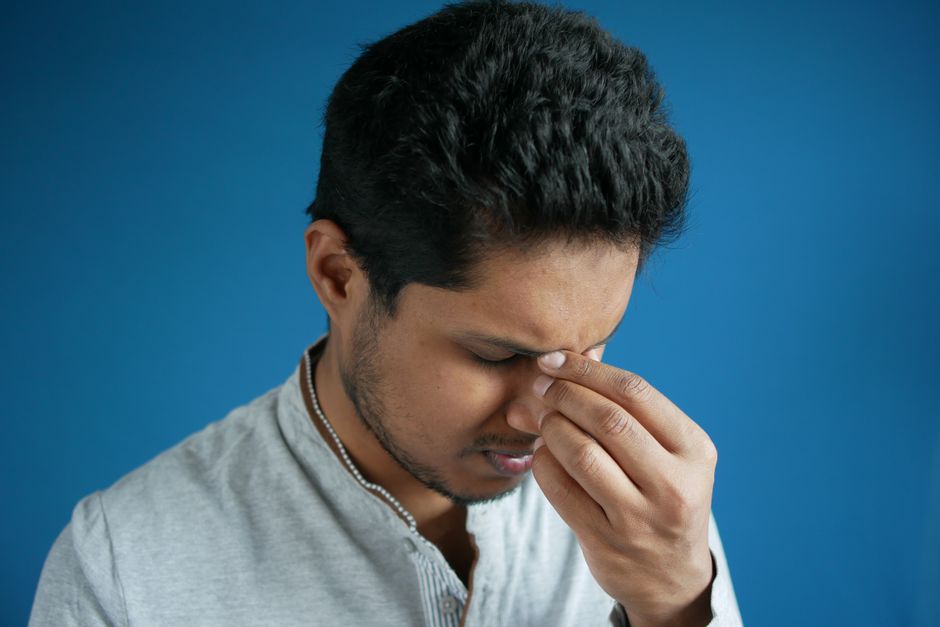
Anxiety can cause real breathlessness, including a sense of not getting enough air, but new, worsening, sudden, or severe breathing difficulty needs medical assessment rather than self-diagnosis. Treat emergency warning signs such as trouble speaking, chest pressure, blue or grey lips, confusion, or pain spreading beyond the chest as urgent. Once serious causes have been assessed, calming breathing techniques can help interrupt the anxiety-breathlessness loop.
Can anxiety cause shortness of breath even when I do not feel anxious?
Yes. Anxiety can cause breathlessness even when the feeling labelled “anxiety” is not front and centre. The NHS lists shortness of breath among anxiety's physical symptoms, alongside a noticeable or irregular heartbeat, dizziness, chest pain, sweating, nausea, and shaking. The body can be signalling alarm before the mind has named the pressure, worry, or fear behind it.
That does not turn breathlessness into “nothing.” It makes it a symptom with more than one possible source. MedlinePlus lists lung, airway, heart, blood, neuromuscular, anxiety, and panic-related causes of breathing difficulty. The operational rule is simple: anxiety is a possible explanation, not a clearance certificate.
Panic can make the pattern feel especially convincing. According to the NHS guidance on anxiety, fear and panic, panic attacks can include very fast breathing, tingling in the fingers or lips, sweating, dizziness, and a racing heartbeat. Those symptoms can arrive as a cluster. They still deserve assessment when they are new, different, worsening, or paired with physical red flags.
Use a better question than “Is this anxiety?” Ask: “What changed, how severe is it, and are any danger signs present?” That question reduces the cognitive load without dismissing what the body is reporting.
Why does it feel like I cannot take a full breath all day?
A persistent inability to get a satisfying breath can reflect a changed breathing pattern, but it can also occur with physical illness, so the feeling should not be diagnosed from sensation alone. The European Respiratory Review describes dysfunctional breathing as chronic breathing-pattern changes that cause breathlessness and other symptoms without, or out of proportion to, respiratory or cardiac disease.
This is the “chasing the perfect breath” loop. A person notices a breath feels incomplete, tries to pull in a larger one, monitors whether it worked, and becomes more aware of every next breath. More monitoring raises the stakes. More stakes can make the sensation louder.
The review identifies patterns including hyperventilation, repeated deep sighing, chest-led breathing, forced abdominal expiration, and poor coordination between the chest and abdomen. These labels explain a pattern; they do not rule out heart or lung disease. The same review is explicit that dysfunctional breathing can coexist with physical disease, which is why a clinician's evaluation comes before a self-assigned explanation.
After urgent causes have been assessed, swap forced breathing for gentle breathing. The NHS stress-breathing guidance recommends allowing the breath to move into the belly only as comfortably as possible, inhaling through the nose and exhaling through the mouth with a gentle, regular rhythm. The phrase to use is: “I am not trying to win a deeper breath; I am letting the next breath be comfortable.”
That is a reset, not a medical test. If the sensation is new or worsening, contact a health professional rather than using a breathing exercise to explain it away.
How can I tell whether breathlessness is anxiety or a lung or heart problem?
You cannot reliably sort anxiety from a lung or heart problem by feel alone; the safer distinction comes from red flags, the symptom pattern, and medical assessment. Both anxiety and medical conditions can create chest discomfort, rapid breathing, dizziness, or a sense of air hunger. The job is not to become your own diagnostician. The job is to recognise when the stakes have changed.
| Pattern | What it means in practice | Next move |
|---|---|---|
| Sudden or severe difficulty breathing, gasping, choking, inability to speak normally, chest tightness or heaviness, pain spreading to the arms, back, neck, or jaw, colour changes in skin or lips, or sudden confusion | The NHS identifies these as emergency warning signs. | Seek emergency care. |
| Breathlessness with coughing blood, one-sided leg pain or swelling, nausea or vomiting, or palpitations | The NHS identifies these as reasons for urgent assessment. | Get urgent medical help. |
| Breathlessness that is worsening during normal activity or while lying down, swollen ankles, or a cough that persists | The NHS advises medical review for these patterns. | Arrange a non-emergency medical assessment. |
| A familiar anxiety-related pattern after medical assessment, without new warning signs | Anxiety can produce genuine physical symptoms; it is still worth monitoring for change. | Use the agreed care plan and calming strategies. |
MedlinePlus also flags breathlessness at rest or with slight activity, symptoms that wake a person or require propped-up sleeping, wheezing, chest discomfort or pressure, and a significant decline from baseline as reasons for medical review. A clinician may select tests such as oxygen measurement, blood tests, chest imaging, an ECG, an echocardiogram, exercise testing, or lung-function testing. The right work-up depends on the clinical picture.
Depression belongs in the conversation, but not as a shortcut. A Respiratory Medicine study found respiratory symptoms were more common among adults reporting anxiety and depression after adjustment for confounders. That finding shows association, not proof that mental-health symptoms caused any one person's breathing problem.
If symptoms arise while driving, get to a safe stopping place rather than trying to talk yourself through an episode that affects your ability to focus or speak. People considering driving-heavy work can also review practical vehicle demands in Choose the Right Delivery Vehicle Before It Costs You; health concerns deserve the same clear-eyed planning.
Frequently Asked Questions
Can depression make breathing feel difficult?
Depression and anxiety are associated with more reported respiratory symptoms, including breathlessness, but that association does not prove depression is the sole cause for any individual. In the Respiratory Medicine study, respiratory symptoms were more common among participants with anxiety and depression after adjustment for confounders. New, worsening, or concerning symptoms still need medical review.
What tests should I discuss with a doctor before assuming my breathing problem is anxiety?
MedlinePlus lists clinician-selected options including pulse oximetry, blood tests or arterial blood gases, chest imaging, an ECG, an echocardiogram, exercise testing, and lung-function tests. The useful question is not which test to demand, but which evaluation fits the pattern of symptoms, medical history, and examination. A clinician determines what is appropriate.
When is shortness of breath an emergency?
The NHS advises immediate emergency care for severe breathing difficulty, gasping or choking, inability to get words out, chest tightness or heaviness, pain spreading to the arms, back, neck, or jaw, blue, pale, or grey skin or lips, or sudden confusion. MedlinePlus also identifies sudden breathing difficulty or difficulty serious enough to interfere with breathing and talking as reasons for emergency assessment. Do not wait for anxiety to settle before seeking help when these signs are present.
Sources
- MedlinePlus Medical Encyclopedia: Breathing Difficulty
- NHS: Shortness of Breath
- NHS: Anxiety, Fear and Panic
- European Respiratory Review: Dysfunctional Breathing
- Respiratory Medicine: Anxiety, Depression and Respiratory Symptoms
- NHS: Breathing Exercises for Stress
Disclaimer: This article is for general information only and is not medical advice. It is not a substitute for diagnosis or treatment by a qualified healthcare professional. Always speak to your doctor before acting on anything you read here.
You may also like

Can Couples Therapy Help With Sexual Disconnection and Anxiety Around Intimacy?
A practical guide to couples therapy, sex therapy, desire differences, and anxiety around intimacy without blame or false promises.

What Safety Questions Should I Ask Before Taking St John's Wort?
Safety questions to ask before using St John's wort for low mood or anxiety, especially alongside prescriptions or hormonal contraception.