
Should I Wait for the 2027 Hyundai Tucson or Buy a 2026?
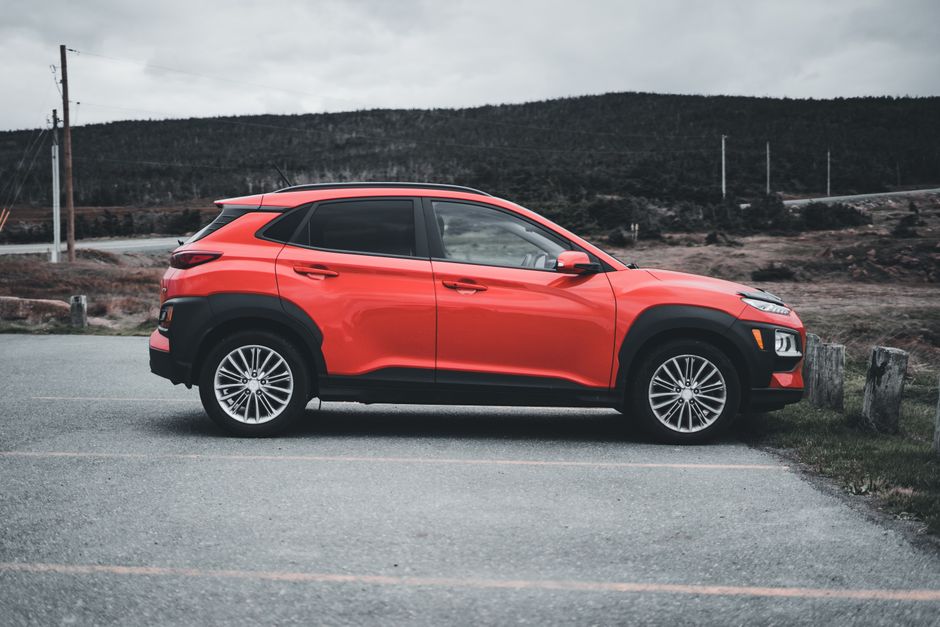
Wait for the 2027 Hyundai Tucson if you can hold off until early 2027 and want more cargo room, a new cabin interface, or the redesigned Hybrid's targeted fuel economy and 3,000-pound tow rating. Buy a discounted 2026 if you need a vehicle now and the dealer price makes its known equipment and warranty value clear. Hyundai has not published 2027 U.S. pricing.
The choice is not old versus new. It is known value versus a known redesign with unfinished U.S. details.
When will the 2027 Hyundai Tucson arrive in the U.S.?
The 2027 Hyundai Tucson and Tucson Hybrid will launch in the U.S. in early 2027, according to Hyundai Motor America.
That is a launch window, not a dealer-delivery date for every trim and ZIP code. Hyundai directs shoppers to dealers for availability and arrival timing. A buyer whose current vehicle needs replacement now should not treat an early-2027 launch as a car available today.
The redesign brings a larger footprint: about 185 inches long, 75 inches wide, and a 109.6-inch wheelbase. Hyundai says it is about 2.3 inches longer and 1.6 inches wider than the current Tucson. Rear doors open to 83 degrees, a small detail that can matter more than a screen size when loading a child seat or helping a passenger step in.
There is one hard boundary around all early comparisons. Hyundai says the vehicles shown are non-U.S. preproduction models and that U.S. production specifications can vary. Treat published U.S. launch information as firm; treat equipment assumptions beyond it as subject to change.
Will the 2027 Hyundai Tucson cost more than the 2026 model?
No one can state the 2027 U.S. price yet, because Hyundai has not published it.
The 2026 gasoline Tucson starts at $29,700 for the SE and $39,675 for the Limited before freight, tax, title, and license fees, according to Hyundai's 2026 Tucson specifications. The 2026 Tucson Hybrid starts at $31,300 for the SE; Hyundai lists the Limited at $42,425 and the Night at $42,925 before those additional charges.
A discounted outgoing model can beat a new-model purchase on total cost, but a headline discount is not a comparison by itself. Compare the out-the-door quote, trim, drivetrain, freight charge, taxes, fees, financing terms, and trade-in offer. Public sources do not provide dealer discounts or trade-in values, so no fixed savings threshold can be stated.
| Buyer condition | Stronger choice | Reason |
|---|---|---|
| You need a vehicle before early 2027 | 2026 Tucson | It is the model available now, with published MSRP and specifications. |
| The dealer discount is clear and the 2026 equipment meets your needs | 2026 Tucson | The purchase can be judged on known numbers rather than an unpriced future model. |
| You want more cargo room or the redesigned cabin | Wait for 2027 | The redesign adds size and a new infotainment interface. |
| You need more than 2,000 pounds of Hybrid towing capacity | Wait for 2027 Hybrid | Car and Driver reports a 3,000-pound rating for the redesigned Hybrid. |
The current gasoline Tucson has a different strength. Hyundai rates it to tow 2,750 pounds with trailer brakes, while the 2026 Hybrid is rated at 2,000 pounds. A buyer who needs a vehicle now and tows within that gasoline rating has a complete, published answer. For a wider shopping frame, see Which Used Chevy Equinox Should I Buy, and Which Engines Should I Avoid?.
What is new on the 2027 Tucson Hybrid?
The 2027 Tucson Hybrid gains a revised hybrid system, more reported power, a higher reported tow rating, and new cabin technology.
Car and Driver reports 233 horsepower, front- or all-wheel drive, up to 3,000 pounds of towing, and 42 cubic feet of cargo space. That cargo figure exceeds the 38.7 cubic feet behind the rear seats listed by Hyundai for the 2026 Tucson Hybrid. The 2026 Hybrid makes 231 combined horsepower and 271 lb-ft of combined system torque.
Fuel economy needs careful reading. Hyundai targets up to 42 mpg for a North American front-wheel-drive Tucson Hybrid with 17-inch wheels. That is a target, not an EPA rating. The 2026 Hybrid SE with front-wheel drive is EPA-estimated at 40 mpg city, 35 mpg highway, and 38 mpg combined. The 2026 AWD Hybrid range is 36 to 38 mpg combined by trim.
The new Hybrid system also adds E-Traction and HEV Stay Mode. Hyundai says Stay Mode can run climate control, audio, and device charging while the gasoline engine is switched off. The redesigned cabin gets faster processing, sharper graphics, and an available AI-powered voice assistant. Car and Driver reports a standard 12.9-inch center touchscreen and an optional 17-inch display.
There is a second path for buyers who leave pavement. Hyundai says the Tucson XRT Pro adds all-wheel drive, all-terrain tires, front recovery hooks, Smart Terrain Assist, and 210 mm of ground clearance. That is 30 mm more than the standard model. It changes the choice for shoppers who need those features. It does not turn every Tucson into the same vehicle.
Power tells one story. Use tells the other.
Frequently Asked Questions
Is the 2027 Tucson bigger inside than the current Tucson?
Yes, based on the available figures. Hyundai says the 2027 Tucson is about 2.3 inches longer and 1.6 inches wider, while Car and Driver reports 42 cubic feet of cargo space versus 38.7 cubic feet behind the rear seats in the 2026 Tucson Hybrid. Hyundai has not published a full U.S. interior-dimension comparison, and its displayed vehicles are preproduction models.
Should I buy a discounted 2026 Tucson or wait for the redesign?
Buy the 2026 when you need a vehicle now and the discount delivers a price you can accept without relying on unconfirmed 2027 costs. Wait when cargo space, the new infotainment system, Hybrid towing capacity, or the Hybrid's targeted fuel economy matter more than immediate availability. Public sources do not provide dealer discounts or trade-in values, so those parts of the decision require current local quotes.
Will the 2027 Tucson have a plug-in hybrid model?
Car and Driver reports that the plug-in hybrid will not continue in the U.S. market. Hyundai has announced a 2027 Tucson Plug-in Hybrid for select markets, with 292 PS, estimated 81 km electric range, and a 7.2-kW onboard charger, but that announcement does not confirm a U.S. model.
Sources
You may also like
Is a Used Chevy Equinox Burning Too Much Oil, and Can It Damage the Timing Chain?
A records-and-symptoms checklist for older Chevy Equinox models with 2.4L oil-consumption and timing-chain concerns.

Verify an Equinox EV Discount Before Fees and Financing Change It
Separate stackable Equinox EV incentives from financing, tax-credit, and fee conditions before you compare the advertised price.
Which Used Chevy Equinox Should I Buy, and Which Engines Should I Avoid?
A practical used Chevy Equinox guide covering the 2018 model, 2.4L oil-burning risks, recalls, and pre-purchase inspection priorities.
Choose All-Season Tires for Rain, All-Weather Tires for Snow
Choose all-season, all-weather, or winter tires with clear guidance on snow, rain, noise, tread wear, and AWD replacement.