
Which SUVs Are Most Likely to Reach 250,000 Miles?

The Toyota Sequoia has the strongest published longevity estimates among the SUVs covered here: iSeeCars ranked it at 296,509 miles in a study of the highest-mileage 1% of vehicles, while a separate 2024 estimate put its chance of reaching 250,000 miles at 36.4%. Those figures are not guarantees. A specific SUV’s maintenance history, condition, and rust risk matter more than its badge when you decide whether to buy.
Which SUV is most likely to last 250,000 miles?
The Toyota Sequoia leads the cited SUV comparisons, but the best candidate for you is the individual vehicle with the strongest records and inspection—not simply the highest ranking. According to iSeeCars, its lifespan study found a potential lifespan of 296,509 miles for the Sequoia, followed by the Toyota Land Cruiser at 280,236 and Chevrolet Suburban at 265,732.
Read those figures carefully. iSeeCars measured odometer readings among each model’s top 1% of vehicles, using vehicles from January through October 2022. It did not predict the lifespan of every Sequoia or establish a typical result for a used example. The study’s analyst described the measure as current odometer readings, with many vehicles still in use.
A different approach gives shoppers a more useful probability comparison. Reporting on iSeeCars’ 2024 study, Forbes said the study estimated an 8.6% chance for the average vehicle to reach 250,000 miles. Among SUVs, the estimated odds were 36.4% for the Sequoia and 26.8% for the 4Runner. The researchers analyzed 402 million vehicles and modeled odometer readings by vehicle age; those percentages still describe model-level odds, not a guarantee for the SUV in front of you.
| SUV | iSeeCars potential lifespan ranking | Estimated chance to reach 250,000 miles |
|---|---|---|
| Toyota Sequoia | 296,509 miles | 36.4% |
| Toyota Land Cruiser | 280,236 miles | Not provided in the cited 2024 report |
| Chevrolet Suburban | 265,732 miles | Not provided in the cited 2024 report |
| Toyota 4Runner | 244,665 miles; eighth among SUVs | 26.8% |
The studies answer different questions: one describes the odometer readings of exceptional examples, the other estimates the probability of a mileage threshold. Use both as a shortlist, then compare the actual vehicle’s records, condition, and likely upcoming work. A larger body-on-frame SUV may be compelling for longevity, but its ownership costs should be weighed against a smaller, more economical long-life option. The sources provided do not give fuel-economy comparisons for these models, so check the exact year and configuration before estimating fuel costs.
Can a Toyota 4Runner really reach 300,000 miles?
A Toyota 4Runner can reach very high mileage, but the cited figures do not show that 300,000 miles is a likely outcome for every one. iSeeCars ranked it eighth among SUVs, with a potential lifespan of 244,665 miles in its top-1%-of-vehicles analysis. The 2024 estimate reported by Forbes put its chance of reaching 250,000 miles at 26.8%; neither figure establishes its odds of reaching 300,000.
At these mileages, a reliable reputation does not erase a maintenance backlog. Consumer Reports says modern cars can regularly reach 200,000 miles and beyond, while emphasizing that scheduled maintenance and the vehicle’s condition matter. Its technicians flag spark plugs, timing belts, water pumps, and coolant hoses as costly items that commonly come due around 100,000 miles; an automatic transmission may also begin to show wear.
That makes records more useful than a seller’s broad assurance that a vehicle was “well maintained.” Ask for receipts or service entries that identify what was done and when. Then compare them with the schedule for the specific year and model. Toyota says many of its vehicles have maintenance visits every 5,000 miles or six months, whichever comes first, and directs owners to a schedule personalized to the vehicle.
Have an independent mechanic inspect the SUV before purchase. Ask specifically whether the timing belt and related service items are documented where applicable, whether the transmission shows signs of wear, and which repairs are due now rather than merely possible later. If the seller cannot document an important service, treat it as an unknown to price and investigate—not as completed work.
How much maintenance does a high-mileage Land Cruiser need?
There is no single maintenance bill for a high-mileage Land Cruiser; the amount depends on its service history, condition, and vehicle-specific schedule. The practical move is to build a due-now list from records and an inspection, then budget for routine items separately from repairs uncovered by the mechanic.
Consumer Reports estimates typical costs of $600–$1,400 for timing-belt replacement, $200–$500 for spark plugs, and $200–$400 for a coolant flush. Those are broad estimates, and actual prices vary by vehicle and shop. Oil-change intervals commonly recommended in its checklist are 5,000, 7,500, or 10,000 miles, with an estimated $75–$150 cost; tire rotations every 5,000–7,500 miles are estimated at $45–$75.
For an SUV with four-wheel drive, check the schedule for differential-fluid service. Consumer Reports notes that an SUV may have more than one differential and advises following the specific vehicle’s schedule. Toyota likewise directs owners to use the maintenance schedule for their exact vehicle, rather than assuming that every model year shares the same interval.
Maintenance costs are only part of ownership. AAA’s 2024 estimates put maintenance, repair, and tire costs at an average of 10.13 cents per mile across the new vehicles in its study. Its five-year, 75,000-mile estimates put overall driving costs at 71.04 cents per mile for compact SUVs and 83.84 cents for medium SUVs. Those standardized new-vehicle figures are context, not a forecast of a particular used Land Cruiser’s bills.
Rust can turn a promising high-mileage purchase into a poor bet. Consumer Reports and AAA advise checking beneath the vehicle: surface rust is different from rust holes, bubbling paint, or corrosion affecting the frame, steering, brakes, or suspension. AAA warns that rust weakens metal and can create safety concerns. Ask for an underbody inspection, review accident and repair history, and have the mechanic check tire wear and suspension behavior. Before you commit, write down three questions: What service is documented? What is due next? What corrosion or wear changes the buying decision?
Frequently Asked Questions
Are older Sequoias reliable despite their age?
The Sequoia ranks highly in the cited longevity studies, but a model ranking cannot establish the condition of an individual older SUV. Review its service records and have a mechanic inspect it, with particular attention to corrosion and wear-prone components.
What repairs should I expect on an SUV after 200,000 miles?
There is no fixed repair list for every SUV. Consumer Reports identifies spark plugs, timing belts, water pumps, coolant hoses, and automatic-transmission wear as items to consider, while tire wear and suspension condition also deserve inspection. Use the vehicle’s maintenance schedule and inspection results to estimate what is actually due.
Does rust or maintenance history matter more when buying a high-mileage SUV?
Both matter, and either can change the risk of a purchase. Missing service records make maintenance needs harder to verify, while structural corrosion affecting the frame, steering, brakes, or suspension can be a serious safety concern. Check records and have an independent mechanic inspect the underbody before buying.
Sources
- iSeeCars Car Lifespan Study
- Forbes, reporting on iSeeCars’ 2024 Longest-Lasting Cars study
- Consumer Reports: Best High-Mileage Cars and How to Find Them
- Consumer Reports: Your Car Maintenance Checklist
- AAA Club Alliance: What to Look for When Buying a Used Car
- AAA 2024 Your Driving Costs Fact Sheet
- Toyota Maintenance Schedule
You may also like
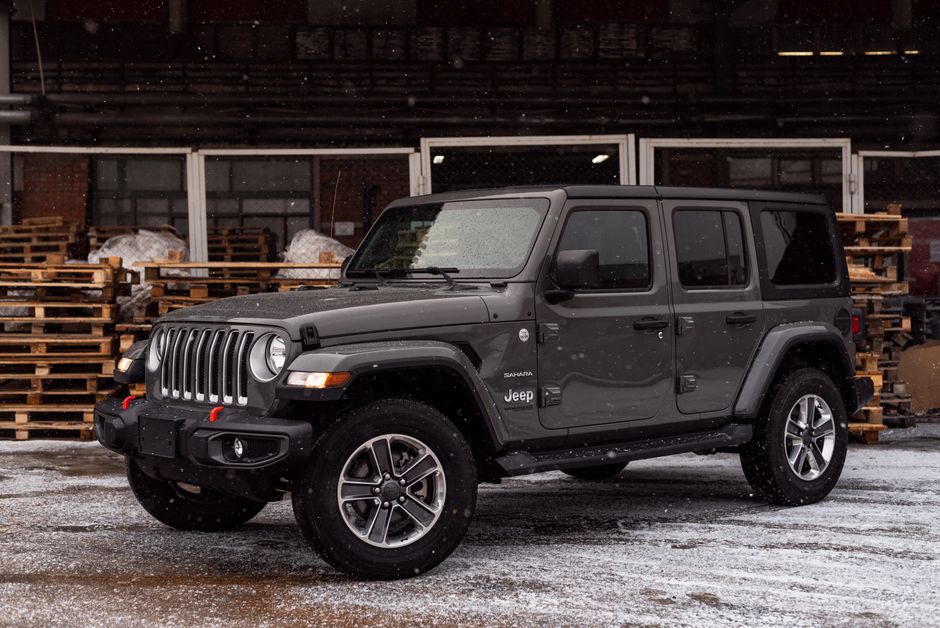
Is the 2027 Jeep Wrangler a Redesign or Just a Refresh?
See what Jeep has confirmed for the 2027 Wrangler, what remains speculation, and how current buyers can decide whether to wait.
Should I Wait for the 2027 Hyundai Tucson or Buy a 2026?
Compare the discounted 2026 Hyundai Tucson with the redesigned 2027 model's timing, price unknowns, Hybrid upgrades, space, and towing.
Is a Used Chevy Equinox Burning Too Much Oil, and Can It Damage the Timing Chain?
A records-and-symptoms checklist for older Chevy Equinox models with 2.4L oil-consumption and timing-chain concerns.

Verify an Equinox EV Discount Before Fees and Financing Change It
Separate stackable Equinox EV incentives from financing, tax-credit, and fee conditions before you compare the advertised price.